



Processing method of Stainless Steel Machinery Parts
Release time:
2021-12-09
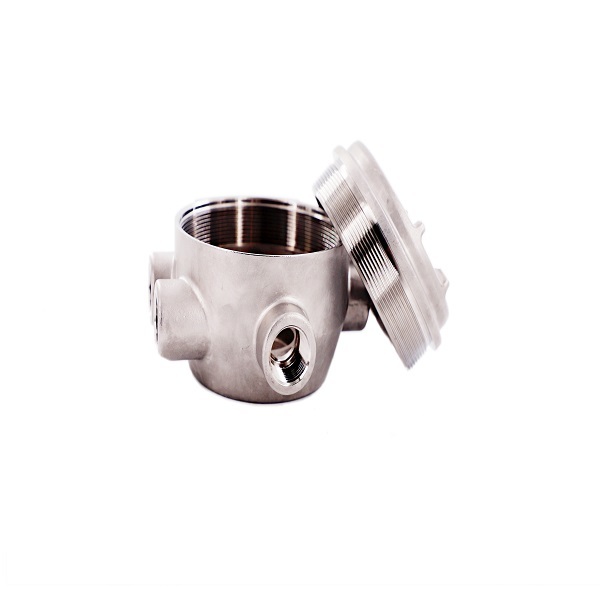
The processing difficulties of Stainless Steel Machinery Parts mainly include the following aspects: Stainless Steel Machinery Parts has high material strength, large tangential stress and large plastic deformation during cutting, so the cutting force is large.

The processing difficulties of Stainless Steel Machinery Parts mainly include the following aspects:
1. High cutting force and high cutting temperature
Stainless Steel Machinery Parts has high material strength, large tangential stress and large plastic deformation during cutting, so the cutting force is large. In addition, the thermal conductivity of the material is extremely poor, causing the cutting temperature to rise, and the high temperature is often concentrated in the narrow and long area near the cutting edge of the tool, thereby accelerating the wear of the tool.
2. Serious work hardening
Stainless Steel Machinery Parts and some high-temperature alloy stainless steels are all austenitic structures, which have a large tendency to work hardening during cutting, usually several times that of ordinary carbon steel. The tool cuts in the work hardening area, which shortens the tool life.
3. Easy to stick to the knife
Both Stainless Steel Machinery Parts and martensitic stainless steel have the characteristics of strong chips and high cutting temperature during processing. When the tough chips flow through the rake face, sticking phenomena such as bonding and fusion welding will occur, which will affect the surface roughness of the machined parts.
4. Tool wear is accelerated
Stainless Steel Machinery Parts materials generally contain high melting point elements, large plasticity, and high cutting temperature, which will accelerate tool wear, sharpen and change tools frequently, thus affecting production efficiency and increasing tool use costs.
We discuss the processing technology of Stainless Steel Machinery Parts, overcome its processing difficulties, greatly improve the tool life of stainless steel when drilling, reaming, and boring, reduce the number of tool sharpening and tool changes in operations, and improve production efficiency and hole drilling. Satisfactory results can be achieved in terms of processing quality, reducing labor intensity and production costs.
Related News
MESSAGE
Hans Wang
Jacinda Lee
Sharon Zhao
David Yang
Binzhou Zeli Precision Metal Technology
Address: Wudi County Industrial Park, Xinghu 3rd Road, South Development 5th Road East
Tel:+86-543-6360571
Fax:+86-543-6360496
E-Mail:sales@zeliprecisionmetal.com
Copyright©Binzhou Zeli Precision Metal Technology